














Most of the Feds we talk with at Serving Those Who Serve consider their Thrift Savings Plan (TSP) to be a critical component of their retirement planning. Recent numbers from the Federal Retirement Thrift Investment Board (FRTIB) certainly bear this out.
According to the FRTIB, total TSP fund assets were $895 billion as of March 2024. With a participation rate of 95.7%, the overwhelming majority of Federal Employee Retirement System (FERS) employees contribute to the plan.
FERS participants had an average TSP balance of $184,691. The average balance for Civil Service Retirement System (CSRS) participants was $207,698.
With so much financial security riding on TSPs, it’s no wonder federal employees worry about the impact of market volatility on their retirement savings. In this article, we’ll discuss several TSP investment strategies to help optimize your account in a volatile market. But first, let’s do a quick recap of the funds you can invest in through your TSP.
Understanding the Basics of the Thrift Savings Plan (TSP)
A TSP allows Feds to make pre-tax retirement contributions with a government matching option. The TSP, Social Security, and the FERS pension combine to provide you with three sources of retirement income.
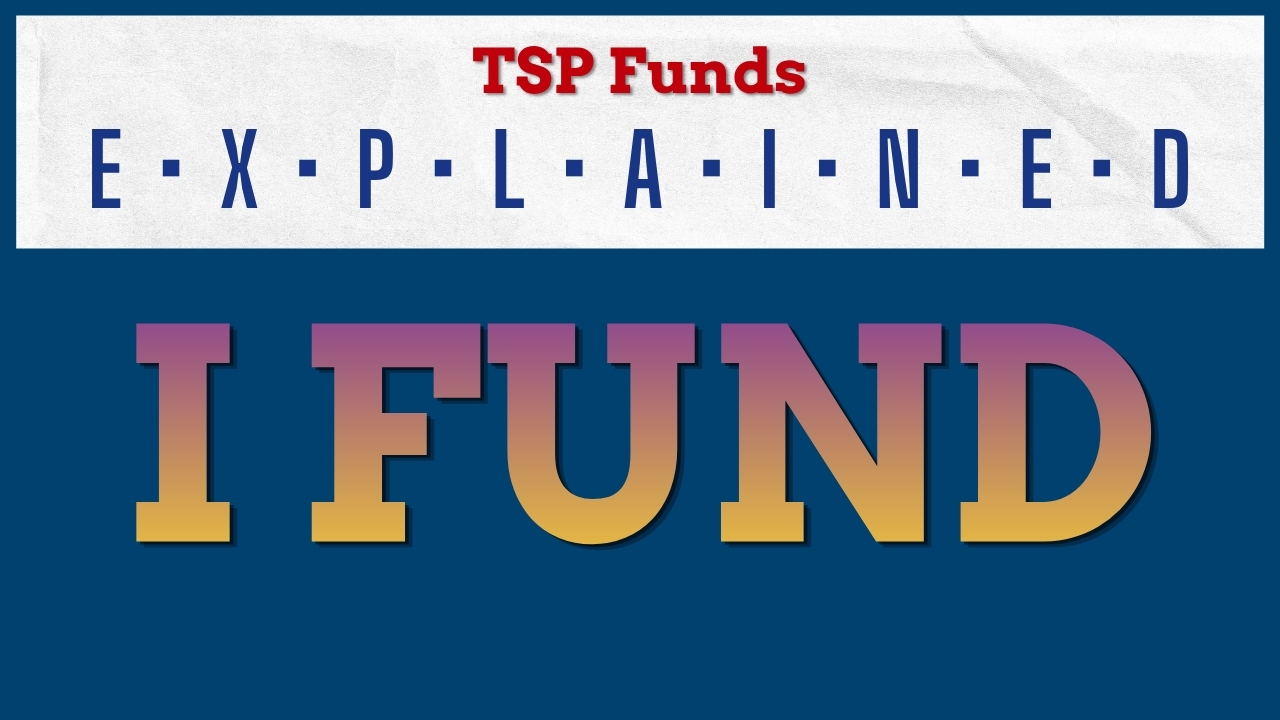
You can invest your money in one or more of the following TSP funds:
Assessing Your Current TSP Allocation
Understanding your risk tolerance is crucial for successful TSP investing during turbulent markets. The risk associated with each of the TSP funds differs.
For example, with the G-fund you have no risk of losing your money during a market downturn because the U.S. government guarantees payment of principal and interest. If you’re averse to losing any money (perhaps you’re getting close to retirement), then you might allocate more of your money into a G-fund. The tradeoff is your return rate may be significantly lower than with other funds.
If you’re a young investor with decades to go before retirement, you might decide you have a higher risk tolerance. Your timeframe is longer, allowing you to recover from market volatility. For this reason, you might decide to allocate some of your money to funds with a higher risk, higher reward potential.
While age and time horizon play an important role in your TSP investment strategy, these aren’t the only factors you should consider. Each investor is unique, and you might benefit from a more customized allocation plan.
If you’re interested in creating a plan that meets your specific retirement goals, then register here for our FREE TSP Planning Webinar. Federal employee benefits expert Ed Zurndorfer reveals his blueprint for maximizing your TSP. You’ll learn about the five TSP funds (G, F, C, S, & I) and the Lifecycle (“L” Funds), plus tips for creating an investment strategy that matches your time horizon and risk tolerance.
3 TSP Investment Strategies for Managing Risk in a Volatile Market
Strategy #1: Diversification
By diversifying your TSP portfolio, you’ll be reducing risk by spreading your investments across various asset classes (stocks, bonds, treasuries, etc.). By not relying on a single investment, you’ll help mitigate losses during the inevitable ups and downs of the market.
Strategy #2: Portfolio Rebalancing
When you rebalance your portfolio, you adjust your asset allocations based on your desired risk level. This not only ensures your portfolio stays aligned with your retirement goals but also helps reduce risk during unstable markets. We recommend rebalancing your TSP at least once a year and no more than quarterly.
Strategy #3: Don’t Panic During Market Downturns
Even investors with nerves of steel can be tempted to panic when the markets decline rapidly. However, the key to weathering a downturn is to NOT overreact and move everything into the G-fund.
It’s important to understand good days happen in bad markets. Some of the market’s best days happen during a bear market, not just a bull market. Your returns would have been cut by an extraordinary 83% by missing the market’s 30 best days over the past 30 years.
Long-Term Focus: Staying the Course
At Serving Those Who Serve, we specialize in helping Feds maintain the long-term focus needed to ensure a prosperous retirement. That’s why we offer a free TSP planning webinar, which you can register for here.
You can also reach out to the team at [email protected].
The information has been obtained from sources considered reliable but we do not guarantee that the foregoing material is accurate or complete. Any opinions are those of Serving Those Who Serve writers and not necessarily those of RJFS or Raymond James. Any information is not a complete summary or statement of all available data necessary for making an investment decision and does not constitute a recommendation. Investing involves risk and you may incur a profit or loss regardless of strategy suggested. Every investor’s situation is unique and you should consider your investment goals, risk tolerance, and time horizon before making any investment or financial decision. Prior to making an investment decision, please consult with your financial advisor about your individual situation. While we are familiar with the tax provisions of the issues presented herein, as Financial Advisors of RJFS, we are not qualified to render advice on tax or legal matters. You should discuss tax or legal matters with the appropriate professional. **
The FedLife Podcast is your in-depth, biweekly deep dive into the world of federal benefits and retirement planning. Hosted by federal benefits expert Ed Zurndorfer and Dan Sipe of Serving Those Who Serve, each 30-minute episode unpacks the complexities of FERS and CSRS retirement, FEHB and Medicare, survivor benefits, tax planning, and more. Designed for federal employees and retirees who want more than just the basics, FedLife goes beyond the headlines to explore the rules, nuances, and strategies that can make a meaningful difference in your retirement. Remember: it’s your Fed life, make it a great one.
The Fed15 Podcast is your weekly 15(ish)-minute briefing on federal benefits and financial planning, built specifically for federal employees and retirees. Hosted by Dan Sipe and Katelyn Murray of Serving Those Who Serve, each episode delivers clear, actionable guidance on topics like FERS and CSRS retirement, TSP strategies, FEHB, survivor benefits, tax planning, and more! Whether you’re five years from retirement or already there, The Fed15 helps you cut through the noise, avoid costly mistakes, and make confident decisions about your federal benefits.