
The Thrift Savings Plan (TSP) is part of the federal retirement three-legged stool. The TSP is a defined contribution plan, meaning how much you receive depends on how much you contribute.
A TSP hardship withdrawal can reduce how much you receive when you retire. The process also generates additional costs. On the positive side, if you must take money from a TSP before retiring, you can take steps to rebuild the plan.
TSP Withdrawal Requirements
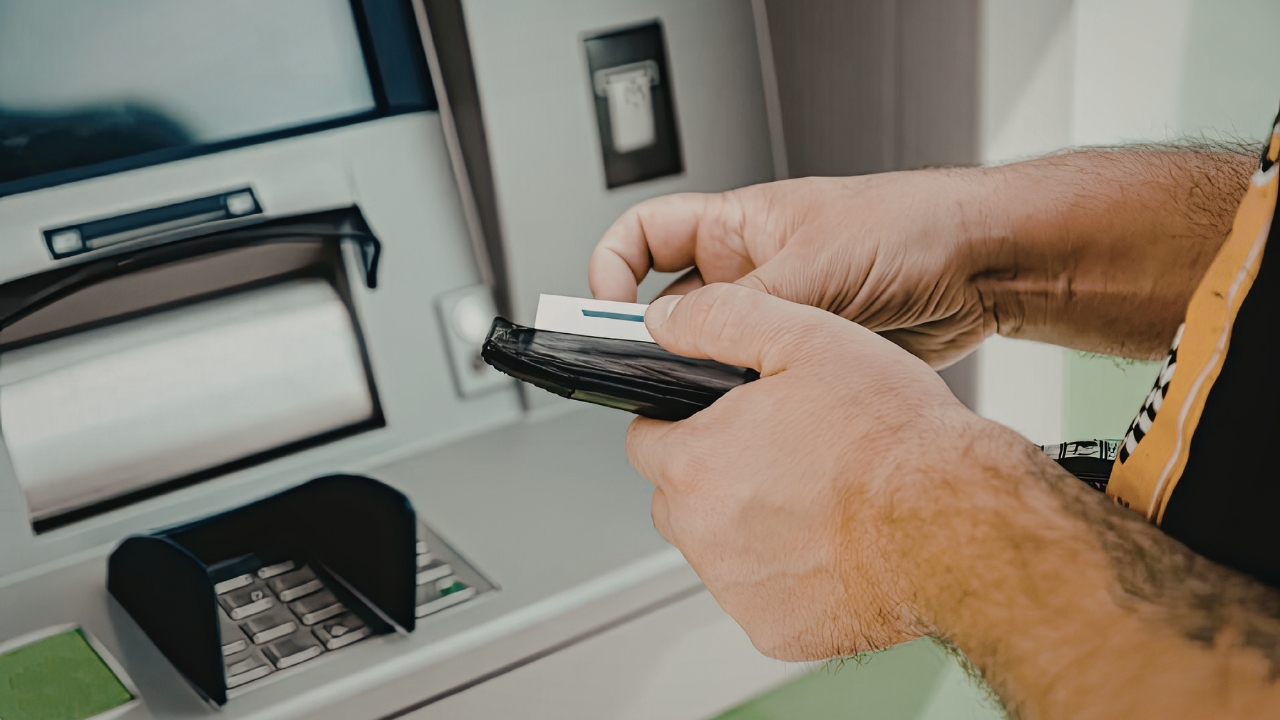
A TSP hardship withdrawal isn’t an ATM from which you can take out money at any time. A hardship withdrawal is a non-repayable, permanent distribution, with no give-backs. The only path to restoring what you removed is with future payroll contributions.
Additionally, to remove cash from this retirement-specific account, you must:
- Be an actively employed Fed with at least $1,000 of contributions and earnings in your account
- Demonstrate a significant and immediate financial crisis, including negative cash flow, divorce or separation legal fees, personal casualty loss, or unpaid medical expenses
- Have not received a hardship withdrawal from your TSP account within the past six months
- Not remove an amount above the documented hardship—for example, if you need $2,000 to pay a medical bill, that amount can’t be exceeded
The Costs of an Early Withdrawal
A hardship withdrawal can plug a severe financial hole. It can also generate serious long-term impacts, including the following.
Balance reduction. Removing money from your TSP reduces the plan’s amount, which can hurt potential investment growth and compounding.
Tax implications. Withdrawals are taxed as ordinary income (Traditional TSP) or subject to capital gains taxes (Roth TSP). Additionally, that disbursement may be subject to a penalty if you’re younger than 59 ½.
Psychological impacts. Removing cash from your TSP before retirement can lead to anxiety, frustration, and even shame.
Learn more about your retirement benefits at our No-Cost webinars, featuring Ed Zurndorfer -
Re-starting and Rebuilding
While removing funds from your TSP can generate problems, you can also plug that gap. Here’s how to rebuild your TSP after withdrawal.
Re-examine your budget
Determine the cause of the hardship and take steps to ensure it doesn’t happen again. Reduce unnecessary spending. If high-interest debt caused hardship, contact your creditors for help.
Rebuild your emergency fund
If a lack of savings led to a TSP hardship withdrawal, build an emergency fund. Investing even $25 a week in such a fund can help cover unexpected future costs.
Increase TSP contributions
Even a small addition of 1% per month can help repair that withdrawal hole over time. Also dedicate a portion of the money you receive from a pay raise or promotion to your TSP for the next 6 months or year.
Take advantage of catch-up contributions
If you’re 50 years or older, you can increase your TSP contributions. Consider temporary contribution bumps of 1%-2% each quarter to get your investment account back on track.
Examine portfolio allocations
Consider your investment mix to determine whether it aligns with your risk tolerance, financial goals, and timing. Funds with higher risks can mean higher returns.
Life After a Hardship Withdrawal
Removing cash from your TSP can cause problems. However, the actions outlined above can help reduce the pain. Continuing your contributions (and increasing the amount) and building an emergency fund can get your TSP on track while helping you with future financial hardships.
You can also reach out to the Fed-focused team of CERTIFIED FINANCIAL PLANNERS® at Serving Those Who Serve. These experts provide guidance on rebuilding your TSP, helping you achieve your financial goals. To set up a no-obligation appointment, log onto the website or email [email protected].
The information has been obtained from sources considered reliable but we do not guarantee that the foregoing material is accurate or complete. Any opinions are those of Serving Those Who Serve writers and not necessarily those of RJFS or Raymond James. Any information is not a complete summary or statement of all available data necessary for making an investment decision and does not constitute a recommendation. Investing involves risk and you may incur a profit or loss regardless of strategy suggested. Every investor’s situation is unique and you should consider your investment goals, risk tolerance, and time horizon before making any investment or financial decision. Prior to making an investment decision, please consult with your financial advisor about your individual situation. While we are familiar with the tax provisions of the issues presented herein, as Financial Advisors of RJFS, we are not qualified to render advice on tax or legal matters. You should discuss tax or legal matters with the appropriate professional. **
The Thrift Savings Plan (TSP) is a retirement savings and investment plan for Federal employees and members of the uniformed services, including the Ready Reserve. The TSP is a defined contribution plan, meaning that the retirement income you receive from your TSP account will depend on how much you (and your agency or service, if you're eligible to receive agency or service contributions) put into your account during your working years and the earnings accumulated over that time. The Federal Retirement Thrift Investment Board (FRTIB) administers the TSP.